Defines The Finishing Step
Gives connector finishing a clear place in the production cell.

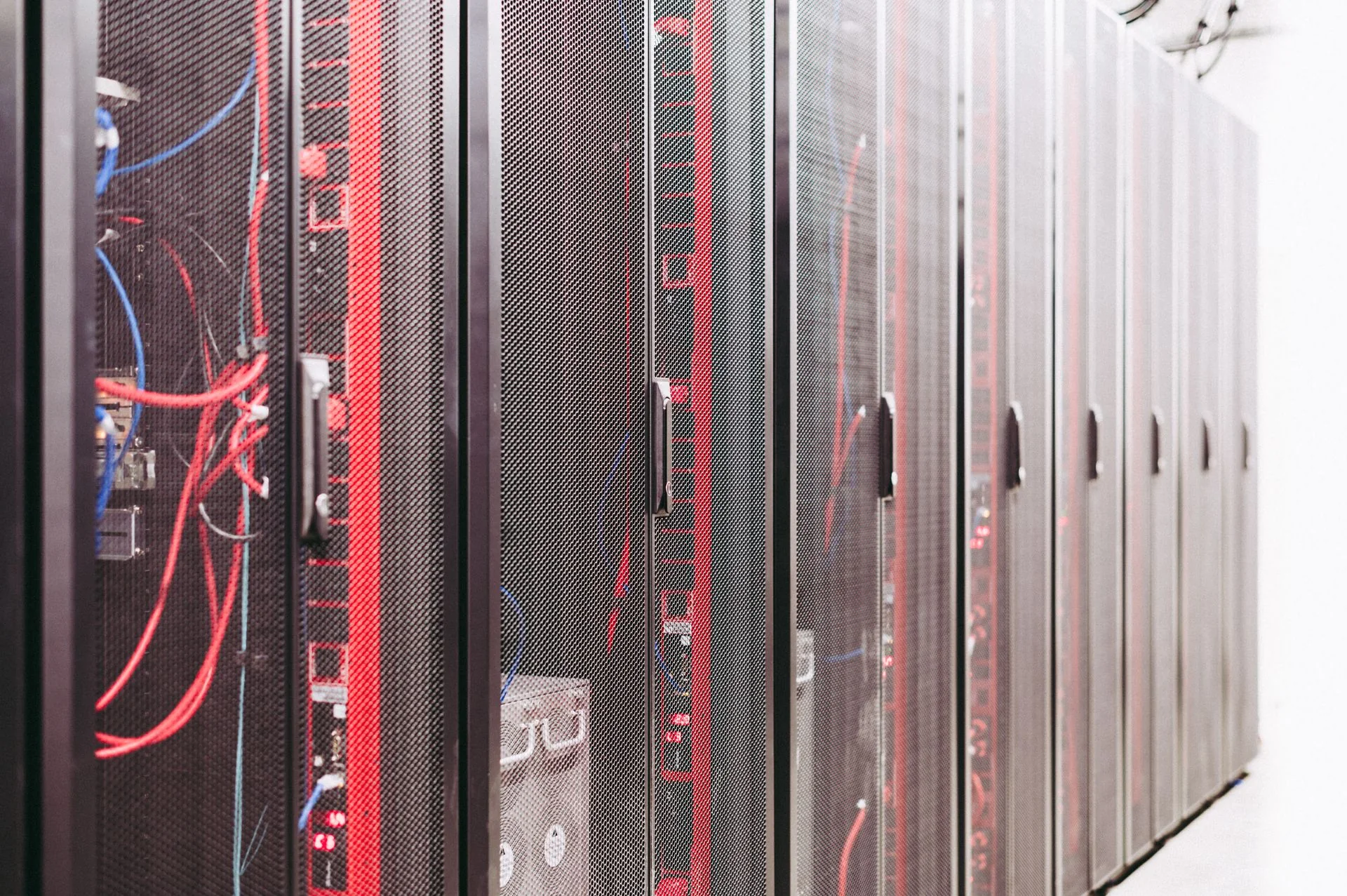
Production Equipment
Production Equipment
EASONTEC fiber optic polishing machines support a controlled connector finishing stage before inspection, end-face assessment and optical verification.
EASONTEC Fiber Optic Polishing Machines support the connector finishing stage in an organized assembly workflow. The dedicated bench station sits naturally after curing and before end-face inspection, helping teams establish a deliberate sequence for completing fiber connector assemblies.
For production teams, polishing is most effective when it is integrated with the preparation, bonding and verification steps around it. The machine can help create a focused finishing area rather than allowing this work to compete with unrelated operations on the bench. EASONTEC can discuss connector formats, operator workflow and the intended inspection process to position the polishing stage within a complete production cell.
Gives connector finishing a clear place in the production cell.
Connects polishing directly with the inspection that follows it.
Helps teams keep finishing work focused and orderly.
Creates a dedicated connector-finishing stage in production.
Links curing work with end-face inspection routines.
Fits organized optical workshops with focused bench stations.
Move prepared connectors from curing into the dedicated finishing area.
Carry out connector finishing as part of the planned production route.
Pass the finished connector to end-face review and optical verification.
It typically follows curing and precedes end-face inspection and optical verification.
The two stages work together: finishing is followed by checking the resulting connector face.
Discuss connector families, the production route and how inspection is performed after finishing.
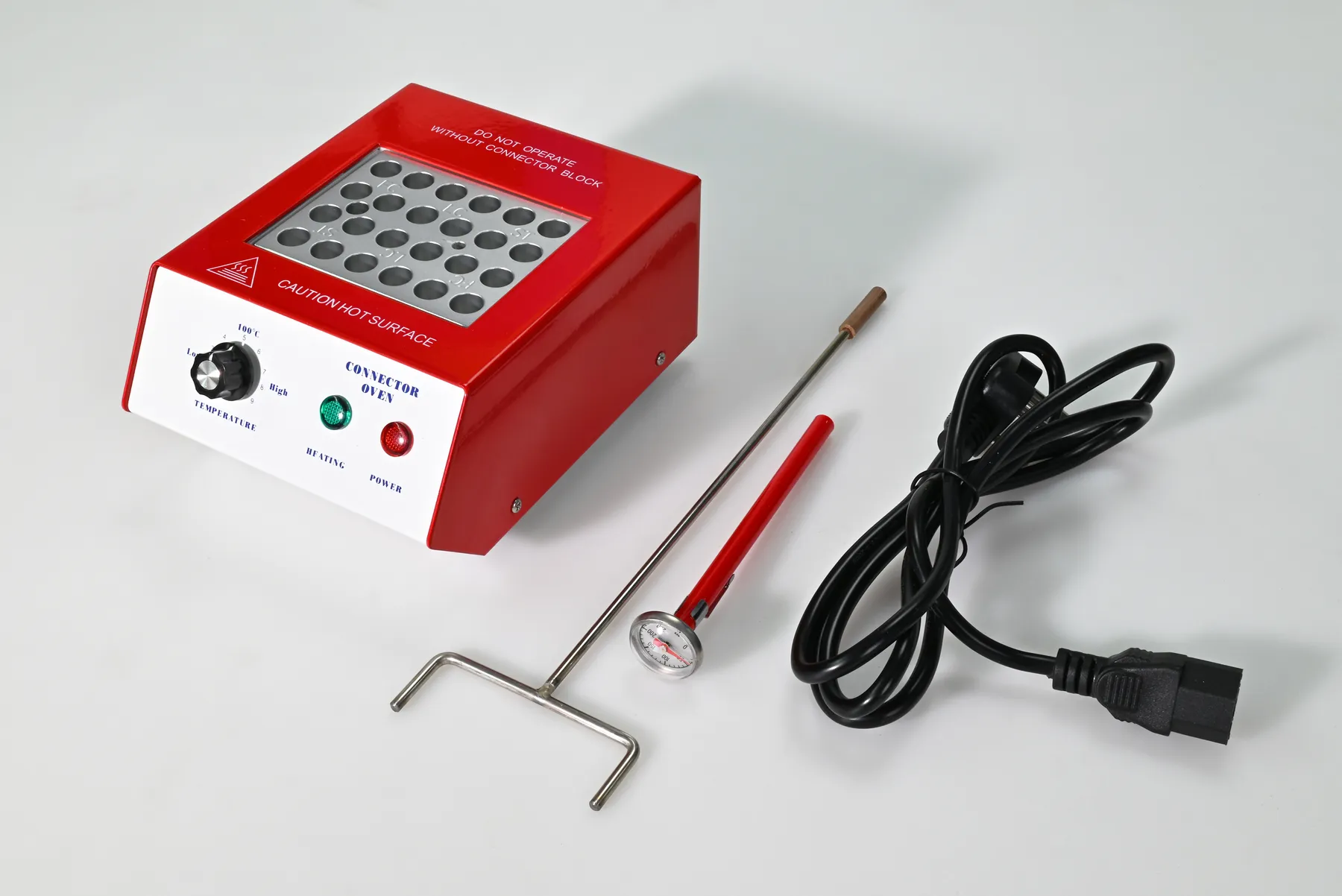
EASONTEC fiber connector curing ovens support an organized thermal curing stage between adhesive bonding, connector finishing and inspection preparation.
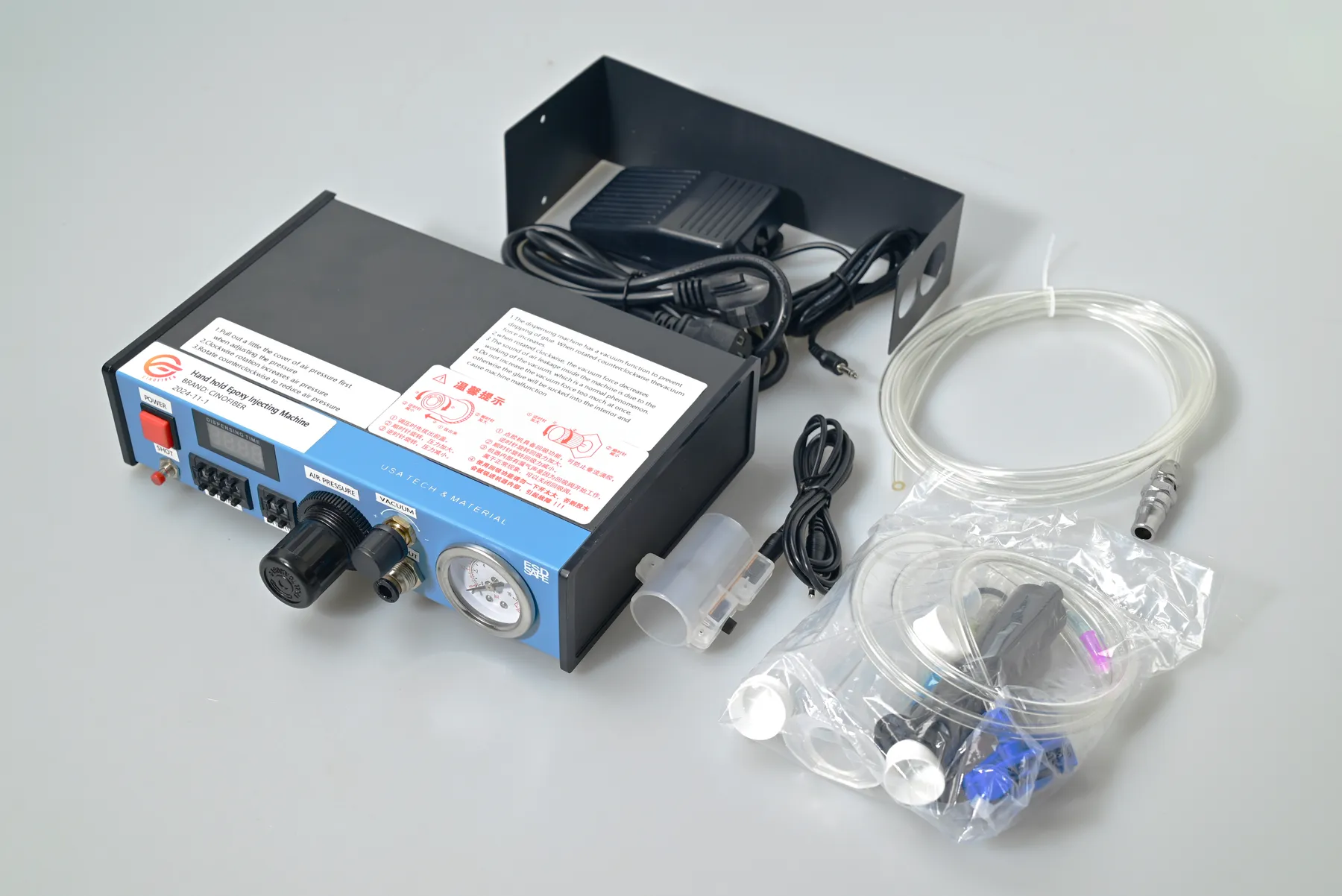
EASONTEC automated dispensing machines support controlled adhesive application and cleaner bonding workflows for fiber assembly and connector teams.
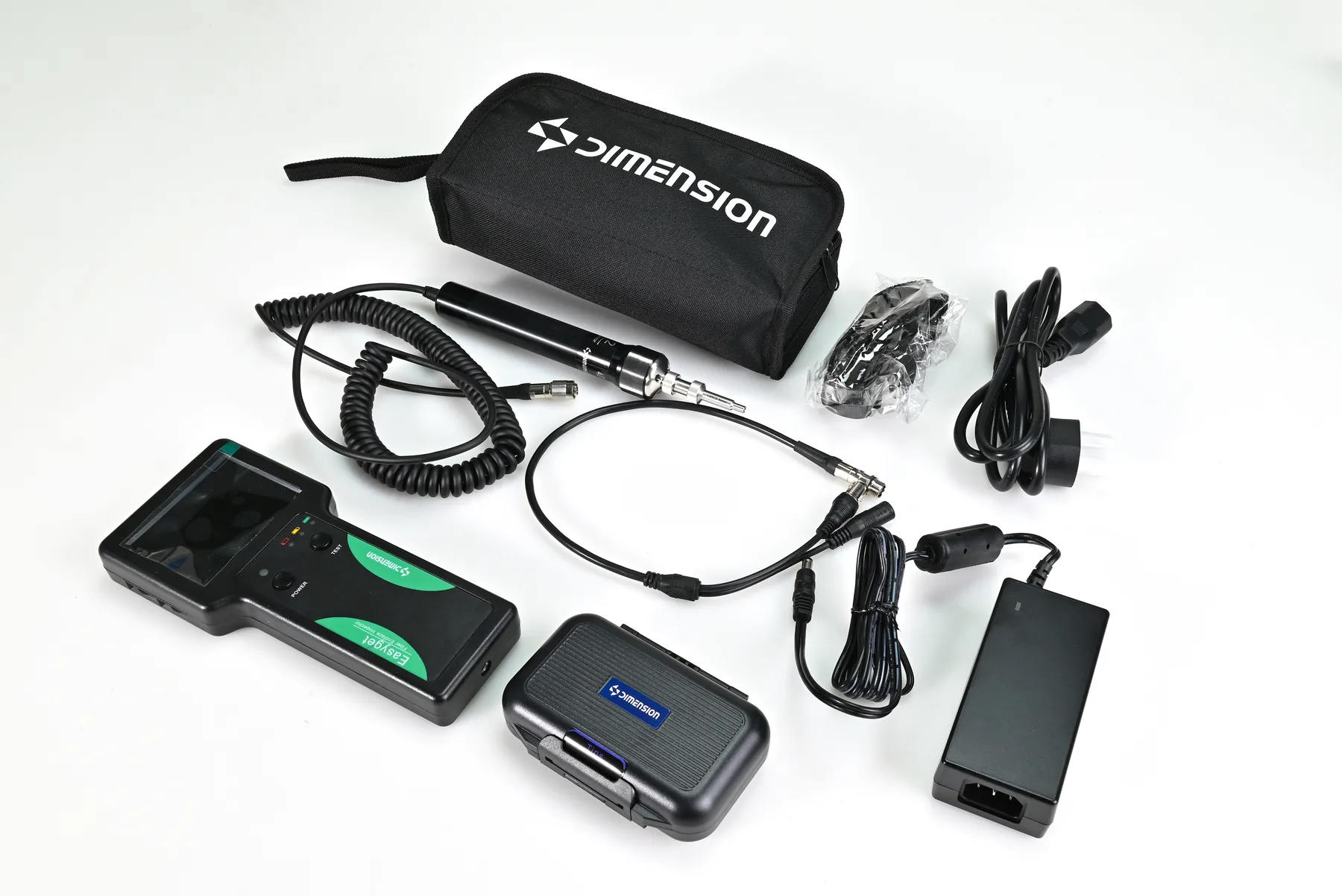
EASONTEC handheld end-face inspection systems support direct connector-face assessment at benches, cabinets and field locations before fiber connections.
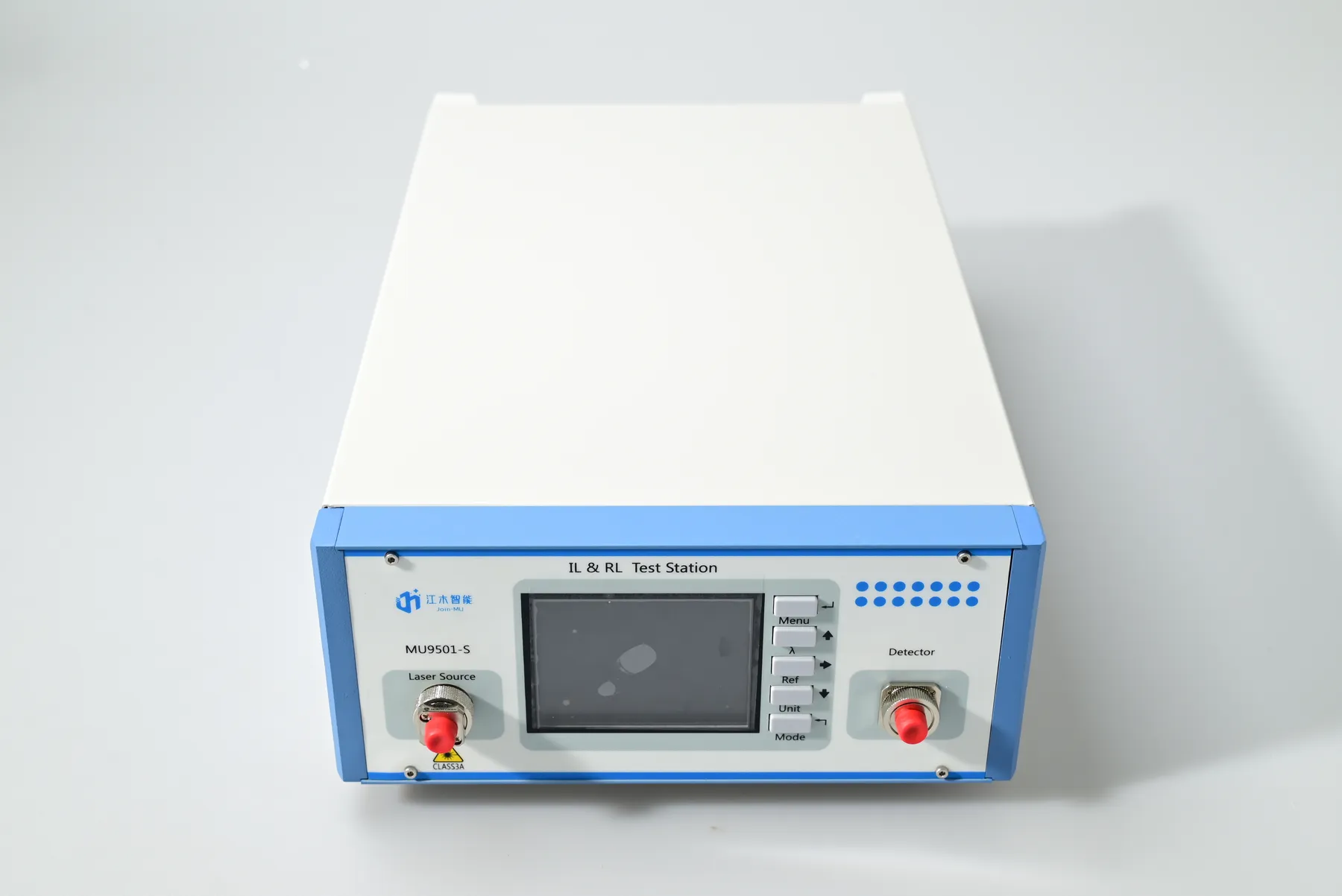
EASONTEC insertion and return loss testers support organized optical verification for finished fiber assemblies, production checks and quality workflows.